Art Process

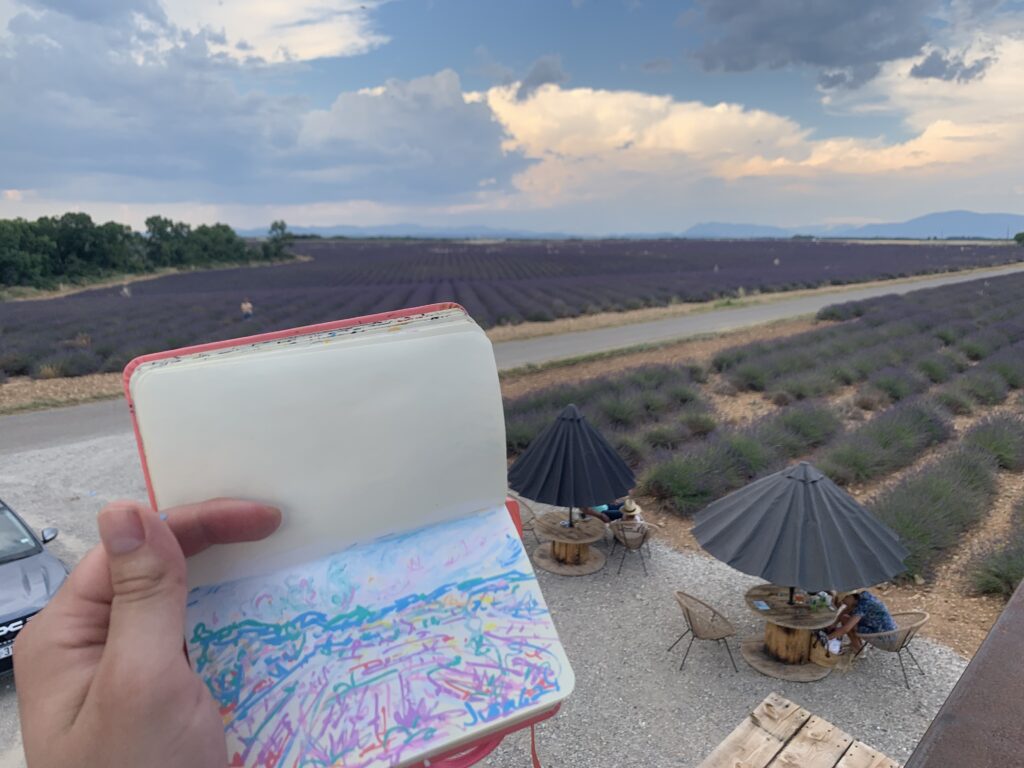
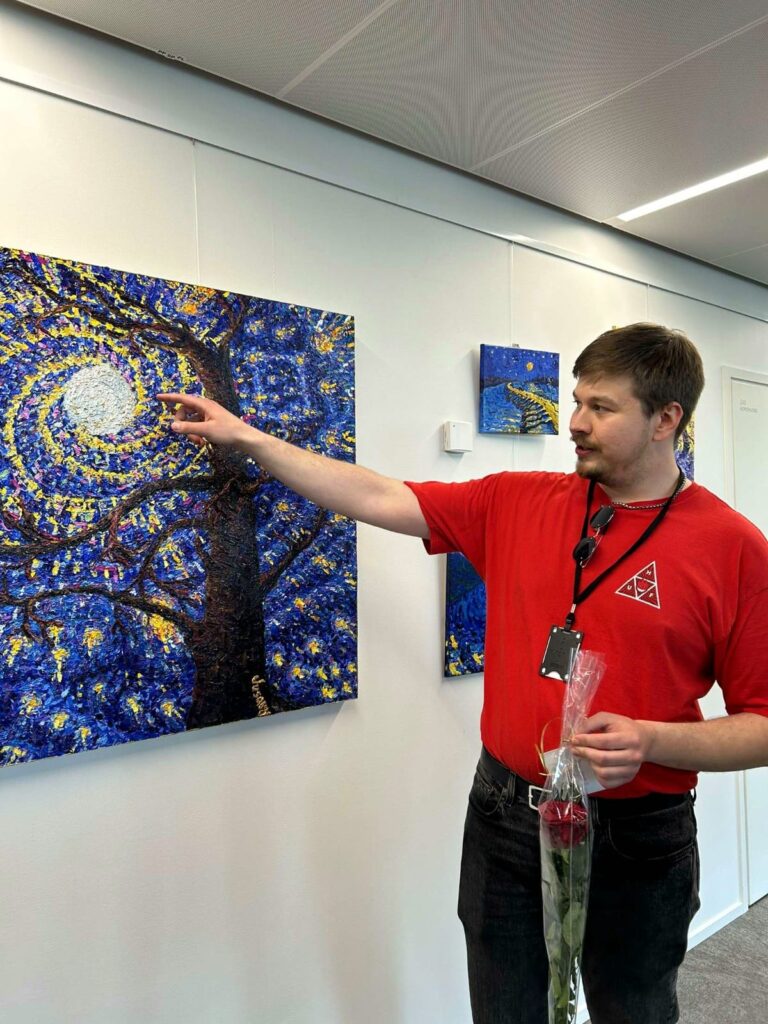
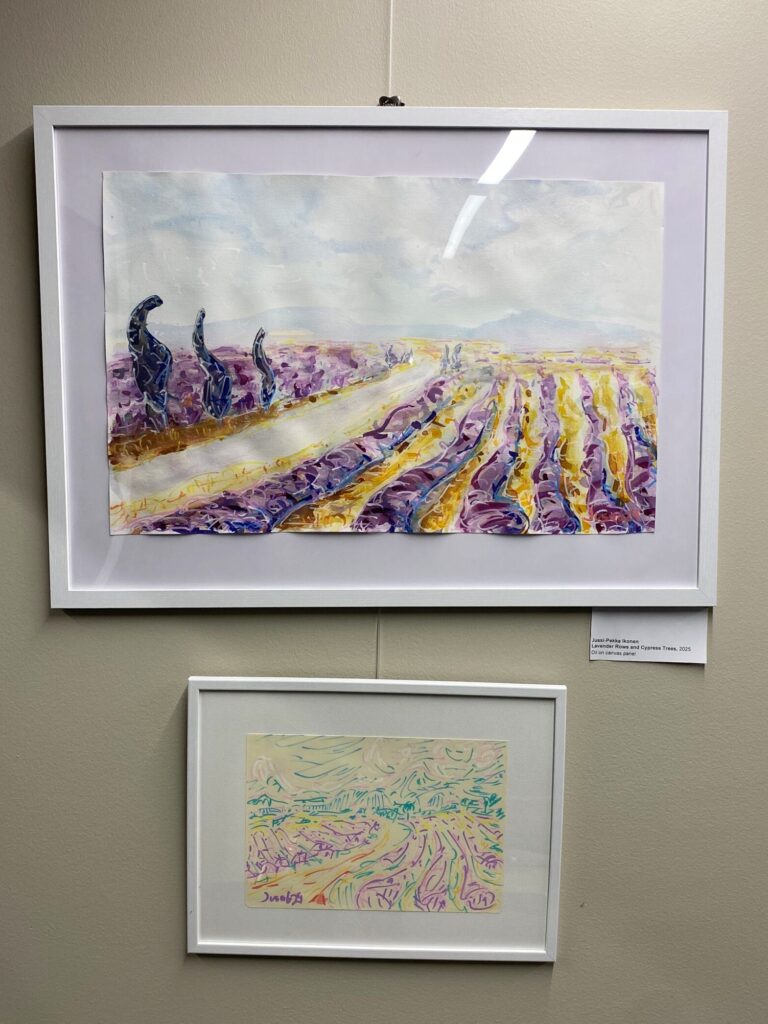
My creative practice is a visual diary of a journey through the world, capturing fleeting moments of seasons and places I’ve travelled. My work does not seek to merely replicate a landscape, instead, it aims to translate the vital energy that vibrates within it. Every painting begins as a conversation in my sketchbook. Using acrylic pens, I capture the essential lines of a landscape or the skeleton of a tree. The initial sketch works as the foundation when I move to a larger surface.

The final realization of the painting is a deeply physical act. While I utilize traditional oil paints for detail, I find my most honest expression through oil sticks. In these works, I set the brushes aside. I apply the pigment directly to the canvas and use my fingers to blend the colors. This tactile approach removes the barrier between artist and subject, creating a textured surface that is as alive as the nature it portrays.

I start my work by moving backward through art history. By studying the techniques and art styles of the past, I am able to honor my favorite artists and express my influences, all with the goal of creating something entirely new. In my paintings, I try to capture fleeting moments like the Impressionists, but infuse them with the drama of my own emotions, much like the Expressionists. I also draw heavily from the Fauvist movement, using bold, non-naturalistic colors to express the internal spirit of a place rather than its literal appearance. I believe this blend of past and present allows me to create art that is both timeless and deeply personal.

Vincent Van Gogh as Inspiration

Vincent’s art has been a profound source of inspiration for me, an artist whose unparalleled expression and transformative vision deeply resonate with my own. I was particularly drawn to his expressionistic depictions of nature, especially his portraits of trees.

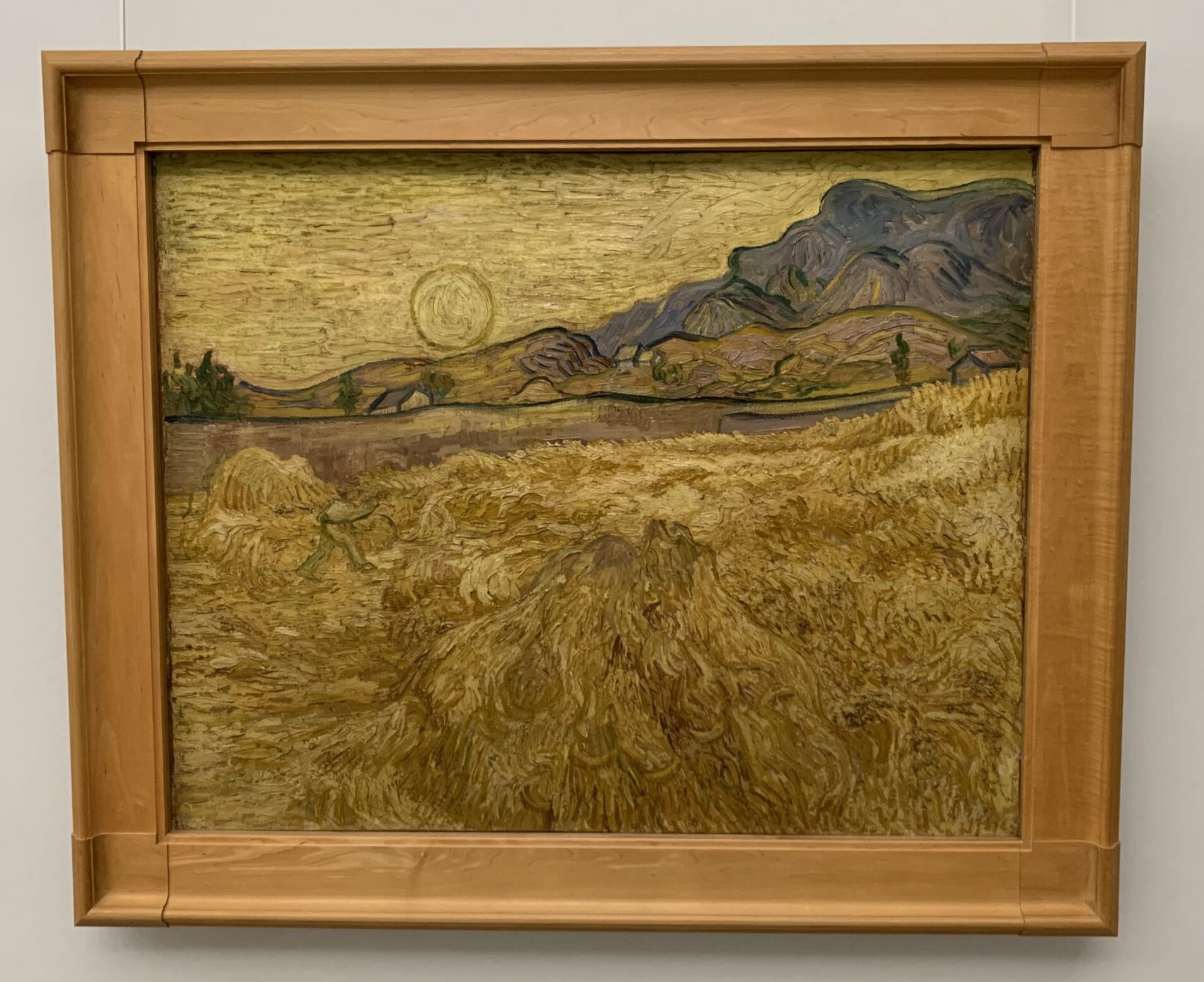
Van Gogh Wheat Field with Reaper and Sun
Wheat Field with Reaper and Sun, Kröller-Müller Museum, Netherlands

Beyond his paintings, Vincent was an exceptional writer whose honest and insightful thoughts can be found in his numerous letters. I have followed in his footsteps, traveling from his birthplace in Zundert, Netherlands, to the sun-drenched landscapes of Arles, France. Seeing these scenes in real life, and then experiencing his works in museums, helped me truly grasp his unique vision. He had the ability to transform a seemingly ordinary moment into something so beautiful, vivid, and full of life.

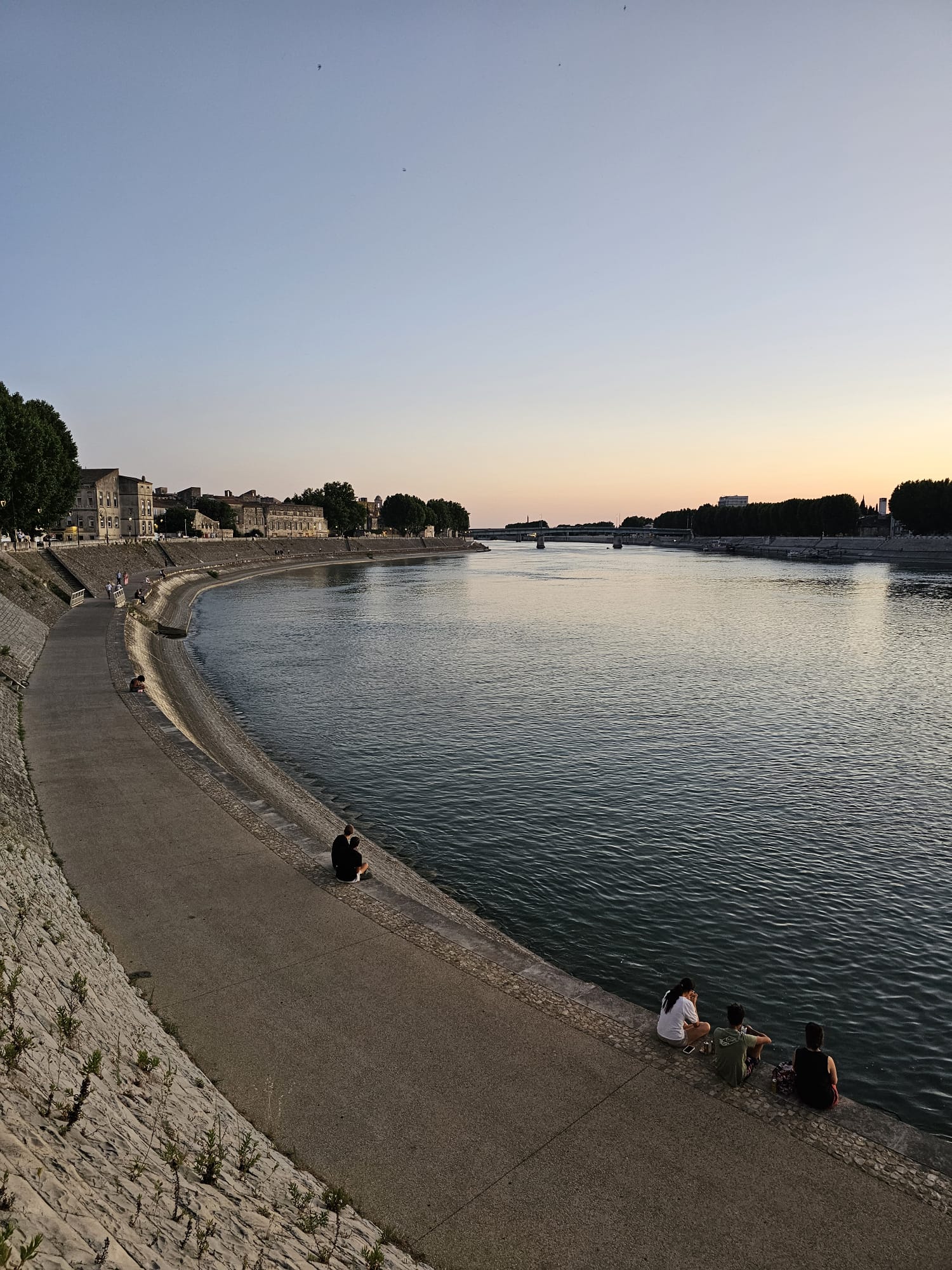
River Rhône, Arles
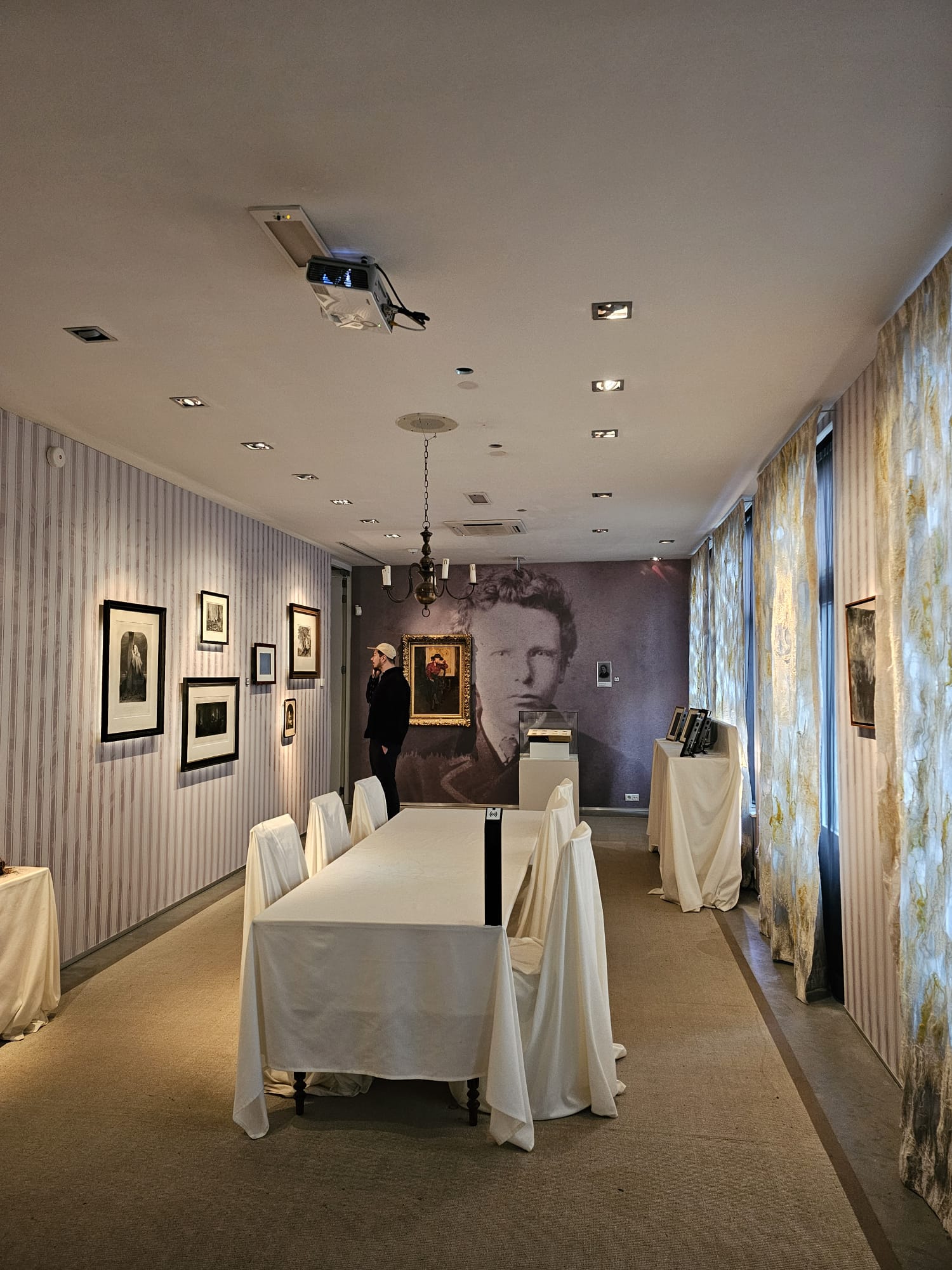
Van Gogh Haus
Vincent Van Gogh Huis, Zundert
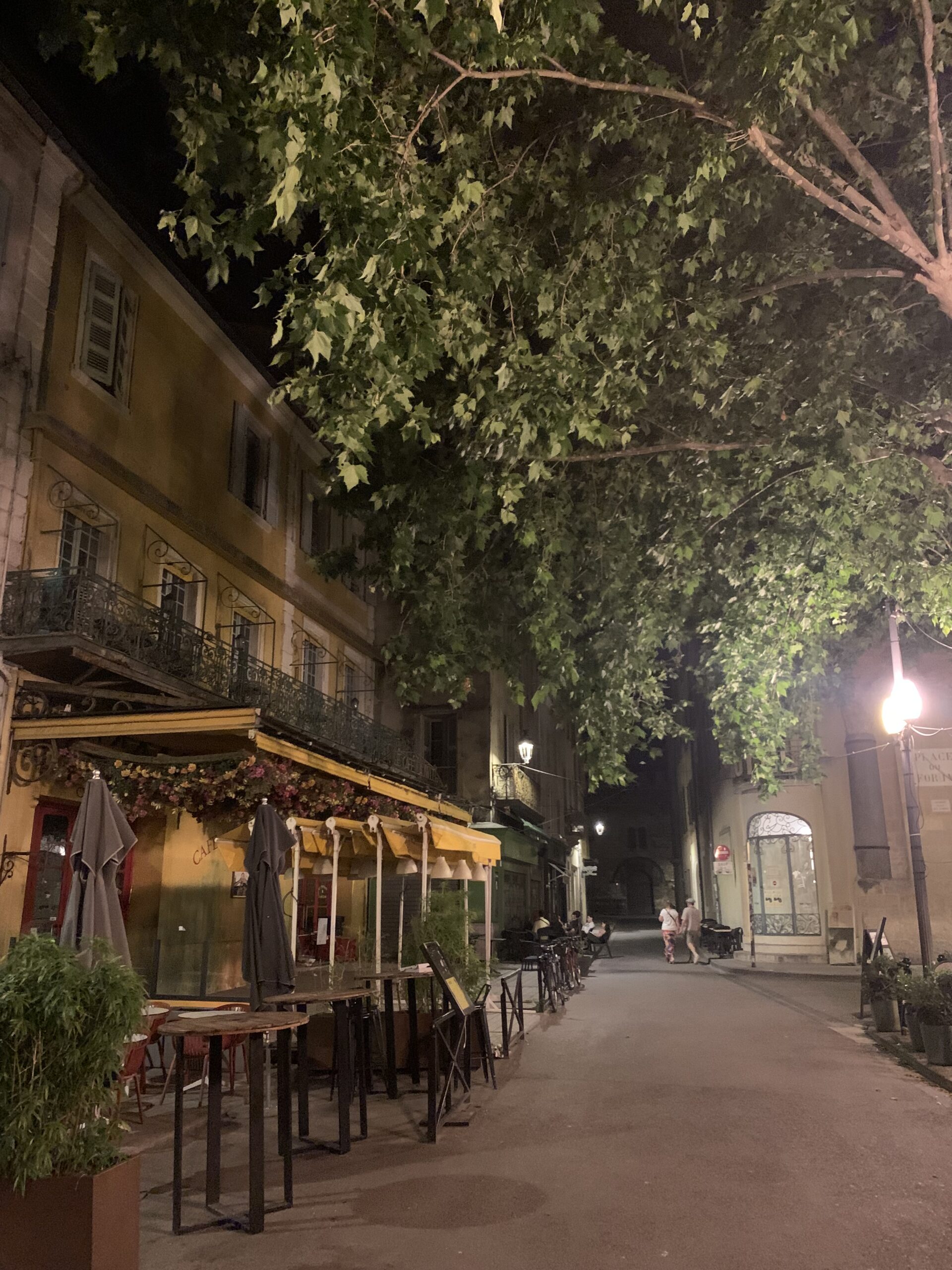
Place du Forum, Arles

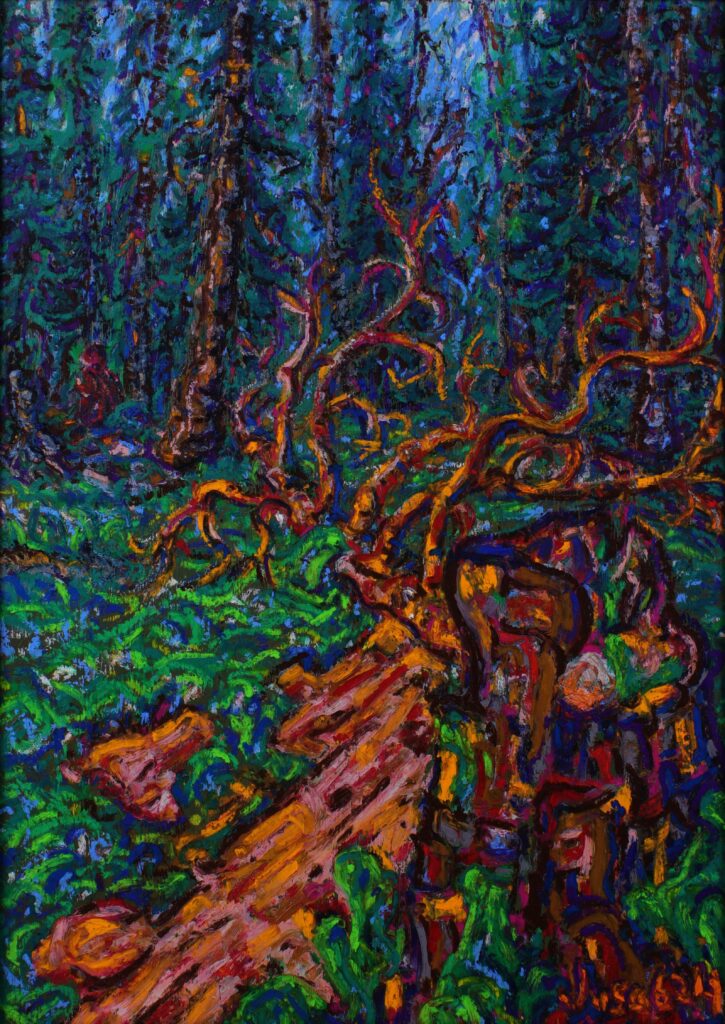
Sous-bois painting

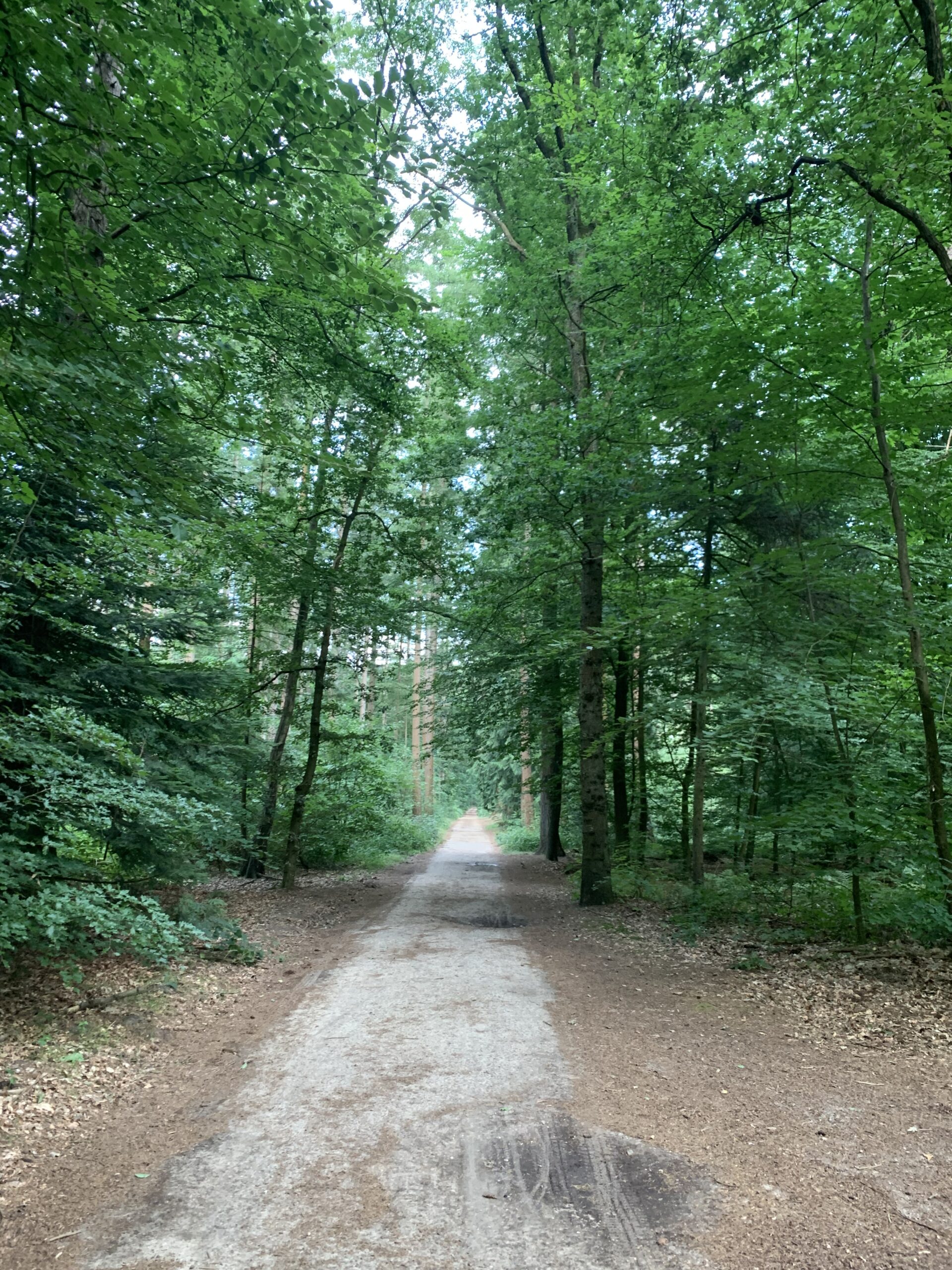
My work in Kivinokka is an exploration of the Sous-bois genre, a specialty of French landscape painting that focuses on the heart of the forest. Rather than painting a forest from afar, suos-bois genre enters the interior life of the forest: mossy earth, tangling roots and rugged tree trunks. The sky is barely visible with sun light dappling across branches. 

The genre gained prominence in the mid-19th century in the Barbizon School. Vincent and many impressionists were greatly inspired by this genre. These artists were among the first to take their easels directly into the forest to paint from life, capturing the nature in its most immediate state.

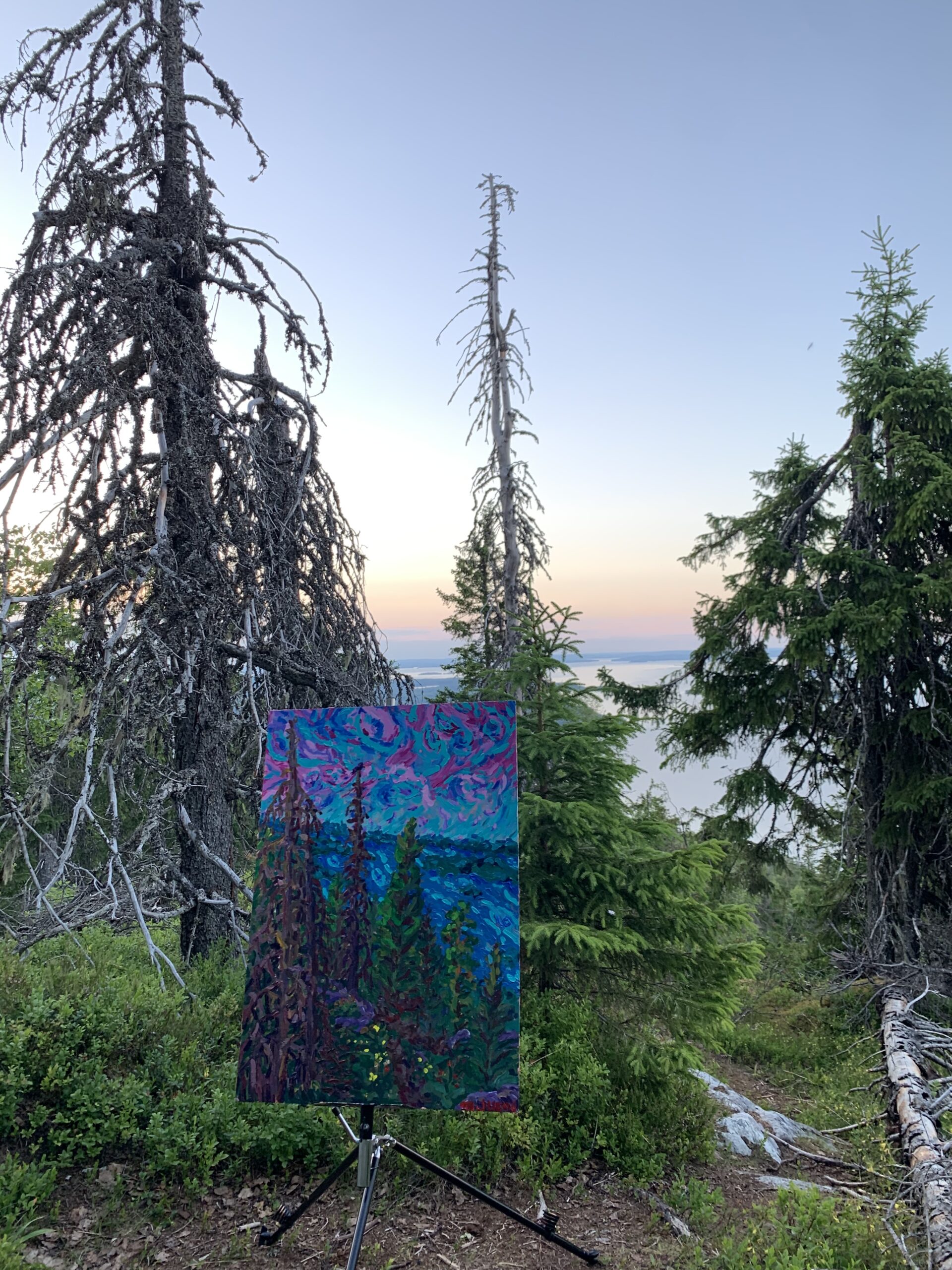
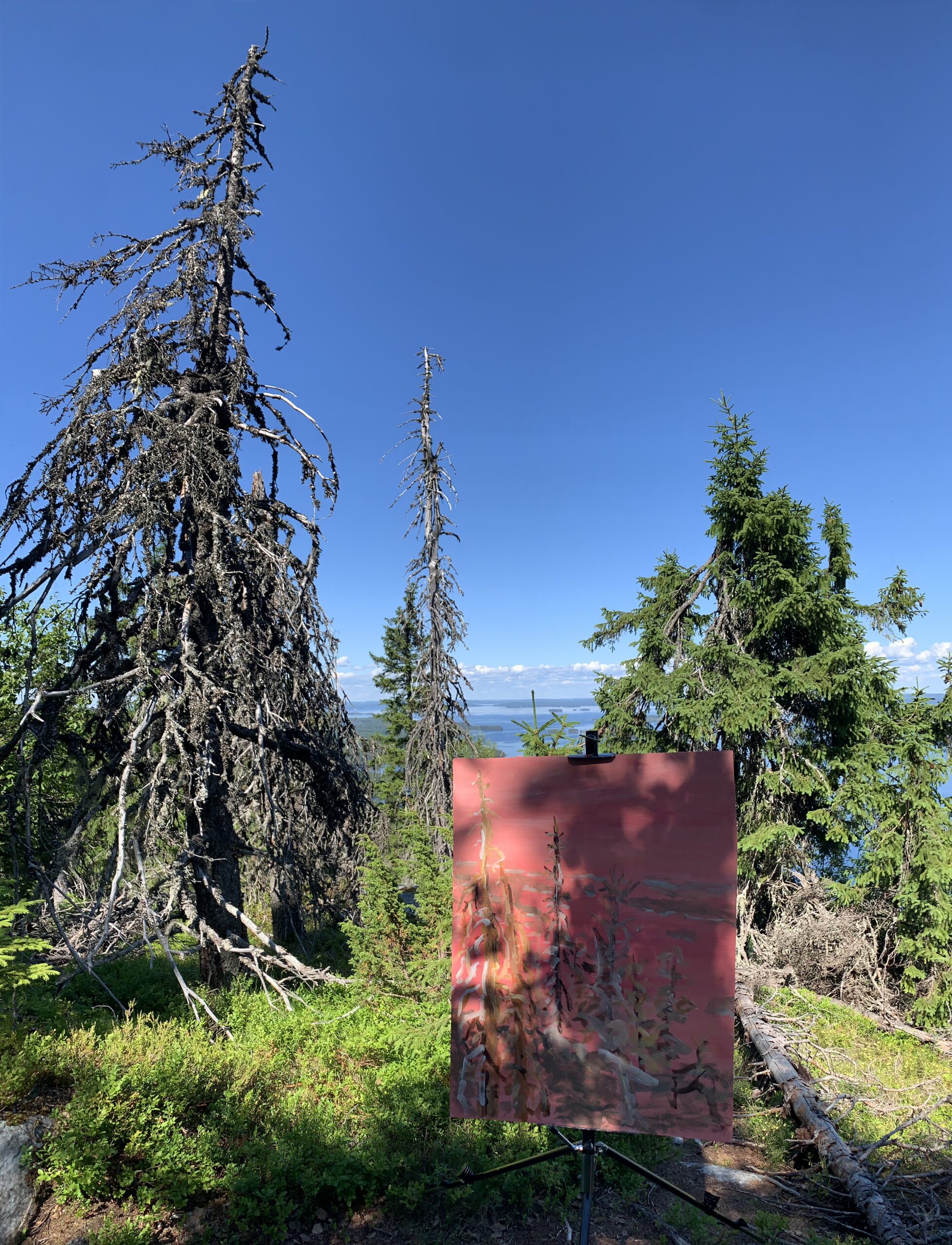
Equipped with a traditional French easel, I take my practice into the various nature parks across Finland and beyond. I revisit these landscapes across the changing seasons. I revisit these iconic locations as the seasons transform, studying the shifting atmosphere of time. My goal is to capture the enduring spirit of the land.

To me, art and science are definitely connected. To progress in these areas, one must stop thinking and act on the living world: experiment with new ideas, overcome fear of failure, and most importantly, embrace the possibility of appearing foolish. Our actions, like seeds sown in the soil, can grow into sturdy trees, beautiful flowers, and ultimately new seeds, thereby fostering new life.

Painting has become an integral part of my life. It’s a way for me to understand my own thoughts and compete against myself in a healthy way. Through painting, I’ve gained a more intimate understanding of the world, feeling its true nature rather than just experiencing its surface. With my paintings, I want to express my deep pantheistic love of nature.

It felt challenging to present my paintings publicly at first, but I’ve learned that the more personal a piece is, the more it resonates with others. In today’s society, we’re all categorized and boxed into roles. Each person’s intellect is unique waiting to be molded into something great. There’s no such thing as a left-brained or a right-brained thinker or personality.

Like the eternal cycle of blooming flowers and changing seasons, we have always the resource of life. Please, venture forth into the world and discover your own potential.

As Nietzsche wrote in Thus Spoke Zarathustra, “Man is his present state, weighed down by his bad conscience, is truly a sick animal, but perhaps this condition is like pregnancy, a sickness heavy with the future possibilities; Man is such incomplete, transitional creature that it almost seems as if nature had some future plans for him, as if man were not an end but only a way, an episode, a bridge, a great promise.

Every painting begins as a conversation in my sketchbook. Using acrylic pens, I capture the essential lines of a landscape or the skeleton of a tree. The initial sketch works as the foundation when I move to a larger surface.

The final realization of the painting is a deeply physical act. While I utilize traditional oil paints for detail, I find my most honest expression through oil sticks. In these works, I set the brushes aside. I apply the pigment directly to the canvas and use my fingers to blend the colors. This tactile approach removes the barrier between artist and subject, creating a textured surface that is as alive as the nature it portrays.

Throughout my compositions, there is a recurring focus on verticality. Whether I am painting a portrait of an ancient tree or a scene where nature meets architecture, I look for the points where the earth reaches toward the sky. Symbolizing the bridge between the physical and the infinite, suggesting that matter and consciousness are a unified, non-differentiated whole. Beneath the surface of our dualistic world, my art seeks to reveal that they are, in essence, the same.

My Journey to Art

Art was my first passion, a pursuit that slipped away during my high school years. It was only when the COVID pandemic hit that I rediscovered my creative spark and began a period of self-discovery. Turning inward, I immersed myself in classical literature, science and existential philosophy. Friedrich Nietzsche’s poetic masterpiece, Thus Spoke Zarathustra, inspired me to overcome my doubts and commit fully to a new path of optimism and learning. A desire to grasp the world’s most fundamental forces initially led me into the world of science and nuclear engineering. The scientific discipline now provides a unique structural foundation for my renewed commitment to art.

Ukko-Koli, North Karelia

Painting the Spirit of Finland

I love to paint outdoors whenever I can, capturing nature in its truest form. With my trusty French easel, I travel through Finland’s national parks, from my nearby dense forests of Kivinokka in Helsinki to the rugged heights of Koli in North Karelia. Through my art pilgrimages to North Karelia, I’ve returned to the landscapes where I grew up, and which inspired the masters of realism and romantic nationalism such as Akseli Gallen-Kallela, Albert Edelfelt and Eero Järnefelt.

I revisit Koli and other iconic Finnish landscapes throughout the seasons to study the ever-changing atmosphere of time and, most importantly, to connect with the timeless spirit of the land. My aim is to combine the naturalistic motifs of Finnish national romanticism with a modern, expressive style, bringing a unique twist to the national landscapes of Finland.